

Planning Discipline
Rail works best when shipment timing, loading windows, and route steps are confirmed early.

Rail Freight
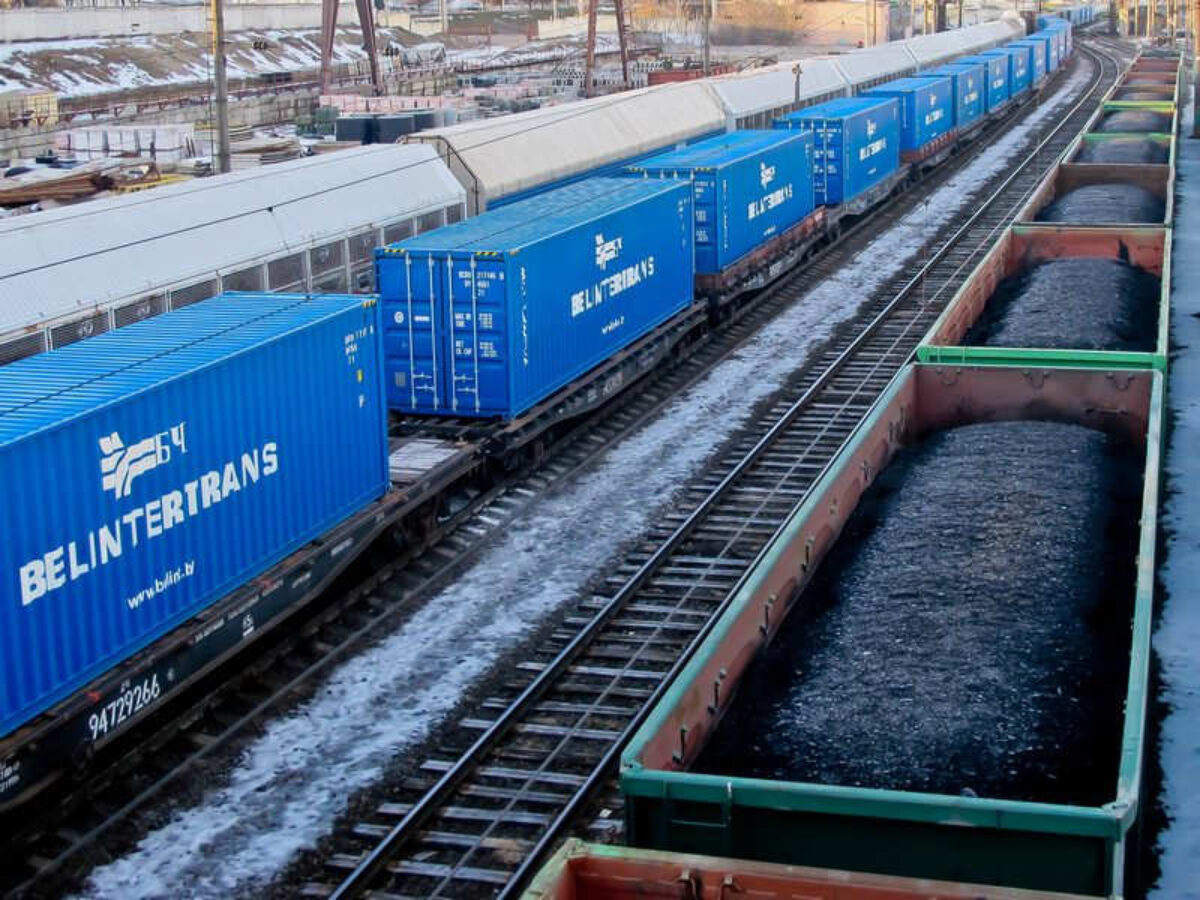
Rail freight is suitable when cargo movement benefits from volume logic, corridor stability, and loading plans that can be agreed before dispatch. We apply that planning discipline across CIS and EU transportation routes where the sequence matters.
Rail works best when shipment timing, loading windows, and route steps are confirmed early.
Stable corridor logic helps when cargo needs predictable movement instead of day-by-day route changes.
Rail is useful when the cargo profile and shipment size justify structured handling and a planned sequence.
Where Rail Fits
Rail freight is usually a better direction when the cargo movement can be planned in advance, the route logic is corridor-based, and the loading sequence is stable enough to support railway handling.
Planning Focus
Rail planning starts with when the cargo can actually be loaded and whether the handover sequence fits the route timing.
Cross-border movement requires a clear view of the route stages and the documentation timing around them.
We review whether the shipment profile is practical for rail or whether truck flexibility would be stronger.
Rail FAQs
Start with a route inquiry and we will review whether the cargo profile and timing support rail movement or whether truck is more practical.


